My Wise Granny Health & Fitness The All-natural Benefits Of Forever Support Products

The All-natural Benefits Of Forever Support Products

Forever Living Products is a world health and wellness accompany that specializes in providing all-natural products made from aloe vera. Founded in 1978, the companion has proved itself as a leader in the wellness industry, offer a wide straddle of wellness and lulu products for both internal and use. From skin care to supplements, Forever Living is pledged to delivering high-quality products that elevat overall well-being. Let’s take a look at what makes Forever Living Products stand up out in the commercialise and how they can gain you.

The cornerstone of Forever Living Products is their use of aloe vera, nature’s gift to humankind. Aloe vera is a juicy plant that is known for its remedial and healthful properties. The gel inside the aloe vera leaf contains a rich immingle of vitamins, minerals, and amino acids that can nourish and restore the body, both inside and out. Forever Living hand-picks their aloe leaves and uses a unique, patented process to and save the gel to insure uttermost potency in their products.

The use of aloe vera in Forever Living Products provides many benefits for the skin. Aloe vera contains right antioxidants that can help fight against free radicals and keep untimely ageing. It also has anti-inflammatory properties, making it an fantabulous remedy for comfortable sunburns or other skin irritations. Aloe vera’s moisturizing properties can also help nourish and hydrate the skin, leaving it soft, smoothen, and glowing. Plus, with Forever Living’s stern timber standards, you can be sure that you are using the purest and most natural form of aloe vera on your skin.

Besides skincare, Forever Living also offers a straddle of nutritional products to support overall health and health. From their touch aloe vera gel drinks to supplements and slant direction products, Forever Living provides a cancel option to orthodox medicate. Their aloe vera drinks have been a fan favourite for geezerhood, known for their ability to better digestion, further the immune system of rules, and advance a healthy gut. With all the essential vitamins, minerals, and antioxidants found in aloe vera, it’s no wonder these drinks are popular among wellness-conscious individuals.

In addition to aloe vera, forever living collagen for skin also incorporates other all-natural ingredients into their products to enhance their overall strength. For example, they use natural extracts like green tea and Anthemis nobilis in their skin care line to ply extra benefits for the skin. They also have products with added vitamins and minerals, such as their chewable multivitamins and joint support supplements, to help meet biological process needs and support particular health concerns.

One of the many important things about Forever Living Products is their commitment to sustainability and their mixer responsibleness. Not only does the accompany prioritize using eco-friendly promotion, but they also have various initiatives in place to give back to the communities where they germ their ingredients. Their Forever Giving program has provided financial support for various charitable organizations, including those focussed on education, health care, and disaster ministration efforts.

In termination, Forever Living Products offers a wide range of all-natural products that raise wellness and health from the inside out. Their use of aloe vera and other cancel ingredients, cooperative with their commitment to timber and sustainability, make them a desirable option for many individuals quest to ameliorate their overall well-being. Whether it’s for your skincare function or nutritional needs, Forever Living has something for everyone looking for a more natural and holistic approach to self-care.

Related Post

When Do You Need A Psychiatric Reference?When Do You Need A Psychiatric Reference?

Individuals are hospitalized for some reasons, including wound, spirit assaults, and fondle. Maybe, a man needs escalated treatment for increment or elective surgical proces to supercede a hip or a knee. Despite the resolve behind hospitalization insurance, it is not grotesque for the medicative or operative specializer to a medicine interview. Why? Numerous cure conditions and or the medications used for these conditions are wired with behavioral side effects, and the internist or specialiser regularly needs record from a specializer to help focus the reason for the behavioral changes and recognize powerful medicines. What are some of these activity changes and why do they materialise? Here are a few illustrations for psychiatry near me al reference Bhopal.

Some curative conditions, for exemplify, coronary thrombosis unwellness and , are connected with side effects of nonsubjective wretchedness. In the that a hospitalized patient is thought process to be truly discouraged or demonstrates in any capacity that he or she is thoughtful self-hurt, the medicative aggroup oftentimes brings in a therapist to tax the nature and sincerity of the side effects, pass judgment the dangers of self-damage, and make treatment proposals. Specialists get into an imperative part in the administration of these patients on the curtilage that the neighborhood of sadness regularly declines the lead of the requirement healthful make out, and the other way around. Visit medicine consultation Bhopal.

Another basic state of affairs includes a hospitalized patient role on a cure or preoperative presidential term who builds up the explosive onset of turmoil, disorder, bafflement, or pipedreams(for illustrate, hearing to voices or seeing protests or individuals that aren’t there). There are many conceivable purposes behind such practices in hospitalized patients.

Case in place, a few patients have preceding medical specialty sicknesses that turn out to be more grounds with the anxiousness of hospitalization. Patients with Janus-faced write out or dementia praecox may produce moral force indications of this write out as an aftereffect of anxiety and interruption in their agenda. Hospitalization, with its ensuant change from a well-known , can likewise cue sealed activity changes in persons with dementias like Alzheimer’s ailment.

Another regular motive behind why hospitalized patients display turmoil, bewilderment, and or unhealthy trips is the advancement of a known as unintelligibility. Wooziness is a sort of saturated mind disequilibrium in which different cerebrum frameworks head for the hills from countervail. Some of the time, a man may have a”peaceful” wooziness and be exceptionally befogged.

Such patients are on a regular basis neglected until somebody on the handling aggroup understands that the mortal is wooly-minded or having considerable issues with retention. In some cases, the cerebrum prompts more troublesome side personal effects, for example, unsettling or fantasies.

These patients can be to a outstanding wild and precarious to themselves as well as other populate. Despite the fact that wooziness announces itself by substance of an sympathy’s aggravated convey, the reasons normally admit the secret curative condition or its treatment. For illustrate, the add u impacts of an excess of pharmaceuticals can prompt wooziness.

Exploring the World of Medical Beauty: Redefining Aesthetics with Science and InnovationExploring the World of Medical Beauty: Redefining Aesthetics with Science and Innovation

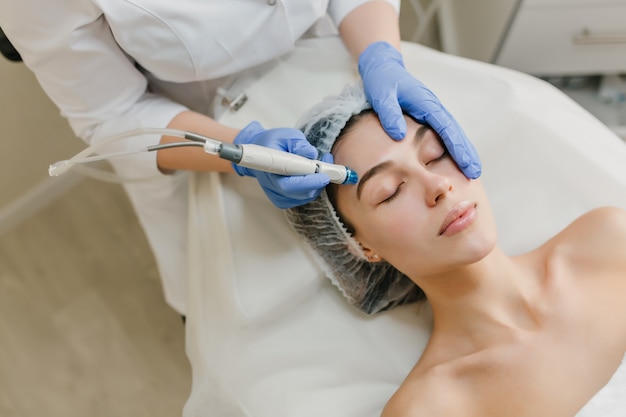
In today’s world, beauty is no longer limited to makeup, skincare routines, or diet plans. The realm of medical beauty has emerged as a significant industry, offering advanced treatments that promise not only to enhance one’s appearance but also to improve overall skin health and well-being. With medical beauty, the line between traditional cosmetics and medical-grade procedures is increasingly blurred, offering individuals a non-invasive or minimally invasive way to achieve their sculptra 童顏針 goals.

Gone are the days when cosmetic surgery was the only option for achieving a youthful, radiant look. Non-surgical treatments now offer impressive results, with little to no downtime. But what exactly is medical beauty? What treatments does it encompass, and why has it become such a popular choice? In this article, we will explore the growing world of medical beauty, the science behind it, and the treatments that are reshaping the way we view aesthetics.

What Is Medical Beauty?

At its core, medical beauty refers to a wide range of non-surgical procedures aimed at improving, enhancing, or rejuvenating the appearance of the face and body. This field combines cutting-edge medical technology with aesthetic procedures, allowing people to correct skin imperfections, reduce signs of aging, or enhance facial features without undergoing invasive surgery.

Medical beauty procedures are typically performed by licensed professionals such as dermatologists, plastic surgeons, or certified medical aestheticians. Unlike traditional beauty treatments, which focus mainly on topical or superficial care, medical beauty is rooted in science and backed by years of research and clinical practice. Treatments are designed not only to address cosmetic concerns but also to promote overall skin health, making them a great option for anyone seeking to maintain or enhance their natural beauty.

Why Medical Beauty Is Becoming So Popular

The rise in medical beauty can be attributed to several factors. As technology advances, the demand for non-invasive procedures has grown, offering more accessible solutions that don’t involve the risks and recovery times of traditional surgeries. Here are some key reasons why medical beauty has gained such popularity:

1. Non-Invasive or Minimally Invasive Procedures

One of the main reasons people are turning to medical beauty treatments is that they are typically less invasive than traditional cosmetic surgery. Many of the most popular procedures, such as Botox injections, dermal fillers, and laser treatments, require little to no downtime, which makes them appealing to those with busy lives. In contrast to surgical options, which can involve long recovery periods and scarring, these treatments offer a quicker and safer way to achieve aesthetic goals.

2. Customization and Personalization

Medical beauty procedures are highly customizable, which means they can be tailored to an individual’s specific concerns and goals. Whether it's treating fine lines, acne scars, or excess fat, medical professionals assess a person’s skin type, facial structure, and age before suggesting a treatment plan. This personalized approach ensures that the results are natural and well-suited to each client.

3. Long-Lasting Results

Unlike many traditional beauty treatments that provide only temporary improvements, medical beauty procedures offer long-lasting results. Treatments like Botox and dermal fillers can last several months to over a year, while non-surgical fat reduction procedures can provide permanent results after a series of sessions. The durability of these treatments ensures that individuals can enjoy the benefits of their procedures for a long time before needing a touch-up.

4. Low Risk and Quick Recovery

Medical beauty procedures, when performed by a qualified professional, carry a low risk of complications. Because they are minimally invasive, most treatments have fewer side effects and complications than surgery. Additionally, recovery time is minimal for many procedures. Most individuals can resume their daily activities immediately after treatment, with only slight redness or swelling in some cases.

Popular Medical Beauty Treatments

Medical beauty encompasses a wide range of procedures that target various areas of the face and body. Here are some of the most popular treatments in the field:

1. Botox and Neurotoxin Injections

Botox is perhaps the most well-known medical beauty treatment. It is used to reduce the appearance of fine lines and wrinkles by temporarily paralyzing the muscles that cause them. Common treatment areas include the forehead, crow’s feet around the eyes, and frown lines between the eyebrows. Botox can smooth out wrinkles and provide a youthful, refreshed look. Other neurotoxins like Dysport and Xeomin are similar to Botox and are used to achieve the same wrinkle-reducing effects.

2. Dermal Fillers

Dermal fillers are injectable treatments that restore volume to the face, filling in wrinkles, fine lines, and hollowed areas. As we age, our skin loses collagen and fat, leading to sagging and volume loss. Fillers, such as hyaluronic acid-based options (like Juvederm and Restylane), can be used to plump the cheeks, add fullness to the lips, and smooth lines around the mouth and nose. Results from dermal fillers can last anywhere from six months to two years, depending on the type of filler used.

3. Laser Treatments

Lasers have revolutionized medical beauty by providing a wide array of solutions for skin rejuvenation, acne scars, pigmentation issues, and even hair removal. Some common laser treatments include:

  • Fractional Laser Resurfacing: This procedure targets damaged skin layers to promote collagen production and smooth out wrinkles and scars.
  • Laser Hair Removal: This method uses intense light to destroy hair follicles, leading to permanent hair reduction in treated areas.
  • Pigmentation Laser Treatments: Lasers can target hyperpigmentation, sun spots, and age spots, helping individuals achieve a clearer, more even skin tone.

4. Chemical Peels

Chemical peels involve applying a chemical solution to the skin to exfoliate and remove dead skin cells. This promotes the growth of new skin and can improve the appearance of acne scars, hyperpigmentation, and fine lines. Superficial peels have minimal downtime, while deeper peels may require a longer recovery period but can provide more dramatic results.

5. Microneedling

Microneedling is a procedure that uses small needles to create tiny punctures in the skin, stimulating collagen production and encouraging skin regeneration. It is commonly used to treat acne scars, fine lines, and stretch marks. When combined with platelet-rich plasma (PRP) therapy, the results can be even more enhanced, with faster healing and greater skin renewal.

6. Non-Surgical Fat Reduction

Non-invasive body contouring treatments like CoolSculpting and SculpSure target localized fat deposits by freezing or heating fat cells, which are then naturally eliminated by the body. These treatments are ideal for individuals who have stubborn fat areas that are resistant to diet and exercise, such as love handles, belly fat, and double chins.

The Benefits of Medical Beauty

Medical beauty offers several advantages over traditional beauty treatments, which is why it has quickly gained popularity among individuals of all ages. Here are some of the key benefits:

2. Customization and Personalization

0

Since most medical beauty procedures are non-invasive or minimally invasive, the risks of complications are lower than with traditional surgery. With proper consultation and a skilled practitioner, the chances of side effects or complications are minimal.

2. Customization and Personalization

1

Many procedures in medical beauty can be performed in less than an hour, making them perfect for people with busy schedules. Additionally, the minimal downtime means clients can immediately return to their daily routines without significant disruption.

2. Customization and Personalization

2

Medical beauty treatments are designed to enhance natural beauty, not to drastically alter one’s appearance. For example, dermal fillers restore facial volume and Botox smooths wrinkles without giving an “overdone” or frozen look. The focus is on creating subtle, youthful changes that improve overall appearance.

2. Customization and Personalization

3

A significant benefit of medical beauty is the boost it provides to self-confidence. Whether it’s rejuvenating the skin, sculpting the body, or eliminating stubborn fat, these treatments help individuals feel better about themselves. This emotional benefit is often just as important as the physical transformation.

The Future of Medical Beauty

As technology continues to evolve, so does the field of medical beauty. With the advent of AI-powered skin analysis, more precise treatments, and innovative non-invasive devices, the possibilities for enhancing beauty will continue to expand. Future treatments may focus even more on personalized care, with technologies like 3D imaging and genetic testing allowing for treatments that are completely tailored to an individual’s specific skin and health needs.

Conclusion

Medical beauty has come a long way in transforming the world of aesthetic treatments. By blending the latest advancements in medical technology with beauty practices, it has opened up a world of possibilities for those looking to enhance their natural appearance without undergoing major surgery. Whether you’re seeking a youthful glow, smoother skin, or a more sculpted body, medical beauty offers a diverse range of options that are safe, effective, and long-lasting. With its growing popularity, medical beauty is undoubtedly here to stay, shaping the future of self-care and aesthetics for years to come.

Common mistakes people make with bipolar medication management—and how to avoid themCommon mistakes people make with bipolar medication management—and how to avoid them

Living with bipolar disorder presents a unique set of challenges, and one of the most critical aspects of managing this complex condition effectively is navigating its medication regimen. For many individuals, medication serves as a cornerstone of stability, helping to regulate extreme mood shifts—from the highs of mania or hypomania to the lows of depression—that characterize the disorder. Yet, despite its profound importance, the journey through bipolar medication management is often fraught with missteps. These errors, born from a range of factors including misunderstanding, frustration, or a lack of adequate support, can significantly hinder progress, leading to destabilization and prolonged suffering.

The path to sustained well-being involves a delicate balance of precise pharmacological intervention, consistent psychiatric follow-up, and an engaged understanding of one’s own health. Recognizing and actively avoiding common pitfalls in medication management is not merely beneficial; it is essential for achieving long-term stability and an improved quality of life. This article outlines some of the most frequently encountered mistakes in managing bipolar medication and offers practical, evidence-informed strategies to help individuals and their support systems foster a more effective and sustainable treatment approach.

Understanding the Role of Medication in Bipolar Disorder

Bipolar disorder is a chronic mental health condition marked by dramatic shifts in mood, energy, activity levels, and concentration. These shifts, which can last for days, weeks, or even months, disrupt daily functioning and can be profoundly distressing. While psychotherapy and lifestyle adjustments play vital supportive roles, medication, particularly mood stabilizers, remains the primary and most effective treatment for managing symptoms and preventing relapse.

Mood stabilizers work by helping to even out the extreme highs and lows associated with bipolar disorder. Lithium, a classic mood stabilizer, has been used for decades, while newer anticonvulsant medications like valproate (Depakote), lamotrigine (Lamictal), and carbamazepine (Tegretol) are also widely prescribed. Atypical antipsychotics, such as quetiapine (Seroquel), olanzapine (Zyprexa), and aripiprazole (Abilify), are frequently used to treat acute manic or depressive episodes and for maintenance therapy. The choice of medication is highly individualized, based on the specific type of bipolar disorder, symptom profile, side effect susceptibility, and other co-occurring conditions. The goal of bipolar medication management is not to eliminate all emotion, but rather to bring mood into a more stable and manageable range, allowing individuals to lead more productive and fulfilling lives.

Mistake 1: Discontinuing Medication Prematurely or Without Consulting a Professional

One of the most dangerous, yet common, mistakes individuals make is stopping their medication abruptly or reducing the dosage without discussing it with their prescribing psychiatrist. This often occurs for several reasons:

  • Feeling Better: When symptoms subside, it’s natural to feel relief and mistakenly believe the medication is no longer necessary. However, feeling stable is often a direct result of the medication working, not a sign that the disorder has disappeared.
  • Unpleasant Side Effects: Many medications for bipolar disorder can cause side effects, ranging from weight gain and tremors to cognitive fogginess or gastrointestinal issues. These can be distressing and lead individuals to discontinue treatment to alleviate discomfort.
  • Stigma and Denial: The societal stigma surrounding mental illness can cause some to internalize shame, leading them to resist or stop medication as a way to deny their diagnosis.
  • Cost and Accessibility: Financial strain or difficulties accessing pharmacies and appointments can also contribute to inconsistent medication use.

The consequences of premature discontinuation are often severe, frequently leading to relapse, an intensification of symptoms, and even the development of more treatment-resistant forms of the illness. A sudden stop can also trigger withdrawal symptoms, making the situation worse. It is paramount that any decision regarding medication changes be made in close consultation with a healthcare provider who can safely guide the process, often by tapering the dose gradually.

Mistake 2: Self-Adjusting Dosage or Schedules

While similar to premature discontinuation, self-adjustment often involves individuals altering their prescribed dose or timing (e.g., taking medication every other day instead of daily, or cutting pills in half). This usually stems from a desire to reduce side effects, stretch a prescription, or “test” if a lower dose is sufficient. The human body’s response to psychiatric medication is incredibly sensitive and specific to dosage. Even slight deviations can profoundly impact efficacy.

  • Sub-therapeutic Levels: Reducing a dose might lead to medication levels in the bloodstream falling below the therapeutic threshold, rendering it ineffective and risking a relapse into manic or depressive episodes.
  • Toxicity: Conversely, increasing a dose without guidance can lead to toxic levels, especially with medications like lithium, which have a narrow therapeutic window.
  • Destabilization: Inconsistent timing can disrupt the steady-state concentration of the drug, leading to unpredictable mood swings and diminished overall stability.

Effective medication monitoring is a cornerstone of safe and effective treatment. Regular blood tests, for specific medications like lithium or valproate, measure drug levels to ensure they are within the optimal therapeutic range. These tests also monitor liver, kidney, or thyroid function, which can be affected by certain medications. Self-adjusting bypasses this critical monitoring, putting an individual’s health at risk. Open communication with a psychiatrist about dosage concerns or side effects allows for professional adjustments, ensuring both safety and efficacy.

Mistake 3: Poor Adherence Due to Lack of Understanding or Support

Adherence, or consistently taking medication as prescribed, is a fundamental challenge for many with chronic conditions, especially bipolar disorder. A significant barrier to good adherence is often a lack of comprehensive understanding about the illness itself, the purpose of each medication, and the long-term nature of treatment.

  • Misinformation: Individuals may be swayed by anecdotal stories, online forums, or misinformed friends rather than relying on evidence-based medical advice.
  • Complex Regimens: Some individuals require multiple medications, which can lead to confusion regarding which pill to take when, and how.
  • Lack of Family/Social Support: A strong support network can significantly improve adherence. When family or friends are unaware or unsupportive of the treatment plan, it can undermine an individual’s commitment.

Strategies to improve adherence involve:

  1. Education: Thoroughly understanding the diagnosis, the role of each medication, potential side effects, and the anticipated timeline for improvement.
  2. Routine Integration: Incorporating medication taking into daily routines (e.g., with meals, before brushing teeth).
  3. Reminders: Using pill organizers, smartphone apps, or alarms.
  4. Support Systems: Engaging trusted family members or friends to help with reminders and encouragement.
  5. Simplified Regimens: Discussing with a prescriber whether fewer pills or extended-release formulations might simplify the routine.

A collaborative relationship with a healthcare team that prioritizes patient education and addresses concerns proactively can profoundly impact adherence to bipolar medication management.

Mistake 4: Failing to Address Side Effects Proactively

Side effects are a leading cause of medication non-adherence. Many medications for bipolar disorder, while highly effective, can come with a range of challenging adverse effects. These might include:

  • Weight gain
  • Sedation or insomnia
  • Gastrointestinal upset
  • Tremors
  • Cognitive slowing (“brain fog”)
  • Sexual dysfunction

Patients often suffer in silence, believing that these side effects are an unavoidable trade-off for mood stability. This is a critical mistake. While some side effects are inevitable, many can be managed or mitigated through various strategies. Ignoring them can lead to significant discomfort, reduced quality of life, and ultimately, a decision to stop medication altogether, leading to relapse.

The key is proactive communication. Individuals should maintain an open dialogue with their psychiatrist about any and all side effects, no matter how minor they seem. Prescribers can often:

  • Adjust the dosage (if appropriate).
  • Change the timing of medication (e.g., taking a sedating medication at night).
  • Prescribe an additional medication to counteract the side effect (e.g., for tremors).
  • Switch to a different medication within the same class or an entirely different class of mood stabilizers that might have a more favorable side effect profile for that individual.
  • Offer lifestyle recommendations (e.g., dietary changes for weight management, exercise).

The individual response to different types of mood stabilizers varies considerably, highlighting the importance of personalized care and persistent communication.

Mistake 5: Neglecting Comprehensive Psychiatric Follow-Up

A common misconception is that once a medication is prescribed, the job is done. However, effective bipolar medication management is an ongoing process that necessitates consistent and comprehensive psychiatric follow-up. These appointments are far more than just prescription refills; they are opportunities for crucial monitoring and adjustment.

During a follow-up, a psychiatrist will:

  • Assess Symptom Changes: Monitor for any shifts in mood, energy, sleep patterns, and overall functioning to determine if the current medication regimen remains effective or needs adjustment.
  • Review Side Effects: Discuss any new or persistent side effects and strategize mitigation techniques.
  • Conduct Medication Monitoring: Order necessary blood tests (e.g., lithium levels, thyroid function, kidney function) to ensure medication is at therapeutic levels and not causing adverse physiological effects.
  • Evaluate Co-occurring Conditions: Address any other mental health conditions (like anxiety disorders or substance use disorders) or physical health issues that can impact bipolar disorder and its treatment.
  • Provide Education and Support: Offer ongoing patient education, discuss coping strategies, and provide emotional support.

Without regular psychiatric follow-up, subtle changes in an individual’s condition might go unnoticed, leading to a gradual worsening of symptoms or an undetected medication-related issue. Moreover, life circumstances change, and what worked previously might need modification. For those living in areas like Stillwater, MN, or even in nearby regions such as Edina MN, seeking out local clinics specializing in mental health can provide convenient and consistent access to the necessary expert care.

Mistake 6: Over-Reliance on Medication Alone

While medication is undoubtedly critical for stabilizing mood in bipolar disorder, it is rarely a standalone solution for long-term well-being. A common mistake is to view medication as the only necessary component of treatment, neglecting other vital elements of a comprehensive care plan. Bipolar disorder is a complex condition influenced by biological, psychological, and social factors, and its most effective management integrates multiple therapeutic approaches.

An exclusive focus on pharmacology often overlooks the powerful benefits of:

  • Psychotherapy: Modalities such as Cognitive Behavioral Therapy (CBT), Dialectical Behavior Therapy (DBT), and Family-Focused Therapy (FFT) can teach coping skills, improve interpersonal relationships, manage stress, identify triggers, and prevent relapse.
  • Lifestyle Management: Consistent sleep schedules, regular physical activity, a balanced diet, and effective stress-reduction techniques are not optional extras; they are fundamental to maintaining mood stability and can significantly enhance the efficacy of medication.
  • Psychoeducation: Ongoing learning about bipolar disorder, its symptoms, triggers, and treatment options empowers individuals and their families to become active participants in managing the condition.
  • Support Systems: Engaging with support groups, family, and friends can provide emotional resilience and practical assistance.

Medication creates the necessary foundation for stability, making it possible for individuals to engage more effectively with therapy and implement healthy lifestyle changes. A holistic approach to bipolar medication management recognizes that true recovery and sustained wellness emerge from this integrated strategy.

Building a Successful Bipolar Medication Management Strategy

Avoiding these common mistakes centers on proactive engagement, consistent communication, and a deep understanding of bipolar disorder as a chronic, manageable condition. Here are key strategies to cultivate an effective medication management plan:

  • Embrace Education: Learn everything possible about your specific diagnosis, the medications prescribed, their expected benefits, and potential side effects. Knowledge is empowering.
  • Foster Open Communication: Maintain an honest and regular dialogue with your psychiatrist. Share all concerns, side effects, mood shifts, and lifestyle changes. This transparent communication is vital for optimal bipolar medication management.
  • Prioritize Consistency: Take medications precisely as prescribed, at the same time each day. Use tools like pill organizers or reminder apps to aid adherence.
  • Commit to Regular Psychiatric Follow-Up: Do not miss appointments. These sessions are essential for ongoing medication monitoring, adjustments, and comprehensive support.
  • Integrate Lifestyle Strategies: View medication as one pillar of a larger treatment plan that includes therapy, healthy sleep habits, regular exercise, stress reduction, and a balanced diet.
  • Build a Support Network: Educate trusted family and friends about your condition and treatment plan, allowing them to offer support and help you stay accountable.
  • Be Patient and Persistent: Finding the right medication regimen can take time and may involve trial and error. Embrace patience, but also persistence in working with your healthcare team to find what works best.

Effective bipolar medication management is a journey, not a destination. It requires an active partnership between the individual, their family, and their healthcare providers. By understanding and avoiding these common mistakes, individuals can significantly improve their chances of achieving lasting mood stability and a higher quality of life. Seeking specialized support for managing the complexities of bipolar disorder, including advanced expert psychiatric care, can make all the difference in this critical process. The goal is not just to treat symptoms, but to empower individuals to live full, meaningful lives despite the challenges of bipolar disorder.

Knead As Medicate: Sympathy The Skill Behind How Touch Down Heals Pain, Anxiety, And OutwearKnead As Medicate: Sympathy The Skill Behind How Touch Down Heals Pain, Anxiety, And Outwear

In an age of high-tech pharmaceuticals and high-tech medical exam interventions, one of the most powerful sanative tools stiff remarkably simpleton: human being touch. For thousands of years, knead has been practiced across cultures as a method acting of promoting health. Today, Bodoni skill is up, disclosure that rub down is far more than just a luxury it s a legalize form of medicate with mensurable effects on pain, anxiety, and wear.

The Biological Basis of Touch Therapy

At its core, rub down therapy involves the manipulation of muscles and soft tissues to excite , unfreeze tautness, and improve physical and feeling well-being. But what happens on a deeper biologic level?

When squeeze is practical to the body through rub down, it activates mechanoreceptors in the skin and deeper tissues. These sensory receptors send signals through the tense system to the psyche, influencing the free of neurotransmitters and hormones. One of the most well-documented responses is the simplification of Cortef, the body s primary quill strain endocrine. High Hydrocortone levels are connected to redness, anxiousness, and a weak immune system of rules. Massage lowers cortisol, while boosting the product of 5-hydroxytryptamine and dopamine brain chemicals that gover mood, pleasure, and ease.

Additionally, rub down increases levels of Pitocin, often referred to as the”bonding hormone” or”love internal secretion.” Oxytocin promotes feelings of swear, refuge, and , and is known to reduce strain and pain perception. This hormonal transfer creates a physiologic causative to curative.

Massage for Pain Relief: Beyond the Placebo Effect

Research shows that knead is operational for both acute accent and chronic pain conditions. According to studies publicised in journals such as Pain Medicine and The Journal of Clinical Psychiatry, 광주출장마사지 can significantly tighten contractor pain, headaches, fibromyalgia symptoms, and even pain correlated to cancer or operation.

One conclude for this is rub down s bear upon on the”gate verify possibility” of pain. According to this theory, non-painful stimuli(such as touch down) can interfere with and reduce pain signals travel to the mind. Essentially, knead closes the gate on pain. Additionally, the improved blood flow and bodily fluid drainage from massage can tighten lump and upgrade weave curative, further decreasing uncomfortableness.

Combatting Anxiety and Depression with the Power of Touch

Mental wellness conditions like anxiety and depression are often tangled with natural science tautness and degenerative try. Massage therapy provides a holistic interference by appeasement both the mind and the body. Clinical trials have ground that even short-term rub down sessions can lower heart rate and blood pressure, key indicators of reduced try reply.

Neuroscience has shown that touch activates the parasympathetic tense system the separate of the nervous system of rules responsible for for rest and digestion. This helps countermine the hyperactive systema nervosum fight or fledge response park in individuals with anxiousness disorders. Regular massage has been linked to cleared sleep in, mood stableness, and low feelings of closing off outcomes that are material for managing economic crisis and anxiety.

Fighting Fatigue and Boosting Energy

Whether caused by health chec conditions like chronic tire syndrome or simply the stresses of Bodoni life, fa can be debilitating. Massage combats outwear on quadruplicate fronts. First, it enhances sleep late timber by reduction physical tension and stimulating repose. Better sleep leads to more energy during waking hours.

Second, rub down increases oxygenation in the roue and stimulates humor flow, which helps rid the body of organic process run off products that can put up to wear. Clients often account touch igniter, more energized, and mentally clearer after a seance, which aligns with technological observations on improved circulation and low stress endocrine levels.

The Future of Touch in Modern Medicine

While knead is still often viewed as a complementary color therapy, its integrating into mainstream health care is maturation. Hospitals and clinics now include rub down in treatment plans for malignant neoplastic disease patients, veterans with PTSD, and individuals sick from surgeries or injuries. As more bear witness accumulates, the checkup community is commencement to recognize touch down not just as comfort, but as medicate.

In a earthly concern that often separates mind from body, massage therapy serves as a admonisher that therapeutic is holistic and that sometimes, the human touch is exactly what the doctor ordered.

The Sweet And Powerful Wonders Of Love: A Cancel Gift From Bees With A Overplus Of Health BenefitsThe Sweet And Powerful Wonders Of Love: A Cancel Gift From Bees With A Overplus Of Health Benefits

Honey has been precious for centuries, not only for its delicious sweetness but also for its remarkable versatility and numerous wellness benefits. This halcyon liquid, produced by bees from the ambrosia of flowers, has captured the care of cultures around the earthly concern. With its chemical substance writing, beloved is more than just a sweetening; it has been used in medicate, skincare, and even in spiritual rituals. In this clause, we explore the multifaceted nature of beloved, its production, and the 10000 ways it can benefit our wellness and well-being.

Honey is produced through an intricate process that involves the appeal of nectar by prole bees. They tuck ambrosia from flowers and bring on it back to the hive, where it is deposited into polygonal shape beeswax cells. The bees then use their wings to fan the ambrosia, evaporating most of its water content and going behind a thick, thick message. The result is loved one, a sweetness content made up of sugars, water, enzymes, and various vitamins and minerals. Different varieties of loved one are created depending on the types of flowers from which the ambrosia is gathered, gift each type its unusual season and tinge.

One of the most well-known benefits of dearest is its ability to solace sore throats and palliate coughs. It has long been used in folk medicate for its disinfectant properties, which help struggle off infections and upgrade remedial. Studies have shown that honey is particularly effective in treating upper respiratory infections, with some even suggesting that it may be as effective as over-the-counter cough medicines. The natural antioxidants and anti-inflammatory compounds in beloved also contribute to its strength in soothing the throat and promoting overall immune wellness.

In addition to its throat-soothing qualities, loved one is often used in skin care products due to its moisturizing and alterative properties. It is a natural humectant, meaning it attracts wet from the air into the skin, serving to keep it hydrated and soft. Honey’s antibacterial and anti-inflammatory personal effects make it an excellent choice for treating acne, wounds, and other skin irritations. When practical locally, it can help speed up up the healthful work by promoting the increase of new skin cells. Honey is also known to lighten up the complexion and reduce the visual aspect of scars and blemishes.

Honey’s biological process visibility is also something to admire. It contains a range of vitamins and minerals, including B vitamins, vitamin C, atomic number 20, iron, and magnesium. While dear should not be considered a primary feather germ of these nutrients, it can answer as a natural and healthy choice to pure sugar, which has little to no biological process value. Unlike refined sugars, dear contains antioxidants that can help neutralise free radicals in the body, possibly reducing the risk of degenerative diseases like heart and malignant neoplastic disease.

Moreover, beloved has been used for centuries as a natural vitality protagonist. The cancel sugars in honey—glucose and fructose—are easily unreflected by the body, providing an immediate seed of vim. This makes honey an superior selection for athletes or anyone in need of a promptly pick-me-up. It can be added to smoothies, tea, or eaten by itself to ply a natural, sound vitality promote without the ram associated with false sweeteners or vitality drinks.

Despite its many benefits, dearest should be consumed in moderation. While it is a fitter option to purified sugars, it is still high in calories and sugar content. Excessive using up of loved one can lead to slant gain, blood saccharify imbalances, and other health concerns. It is also of import to note that love should never be given to infants under one year old, as it can the risk of botulism, a rare but serious malady.

In ending, dearest is not just a sweetness regale but a mighty and versatile subject matter that has been precious for centuries. Whether used as a cancel relieve, skin care fixings, or vitality source, love offers a wide straddle of benefits that make it a valuable plus to any life style. As with all good things, moderation is key, but when used wisely, royal honey for men can enhance our wellness and well-being in unnumbered ways.