Leadership in senior care is more than management. It is about compassion, responsibility, and vision.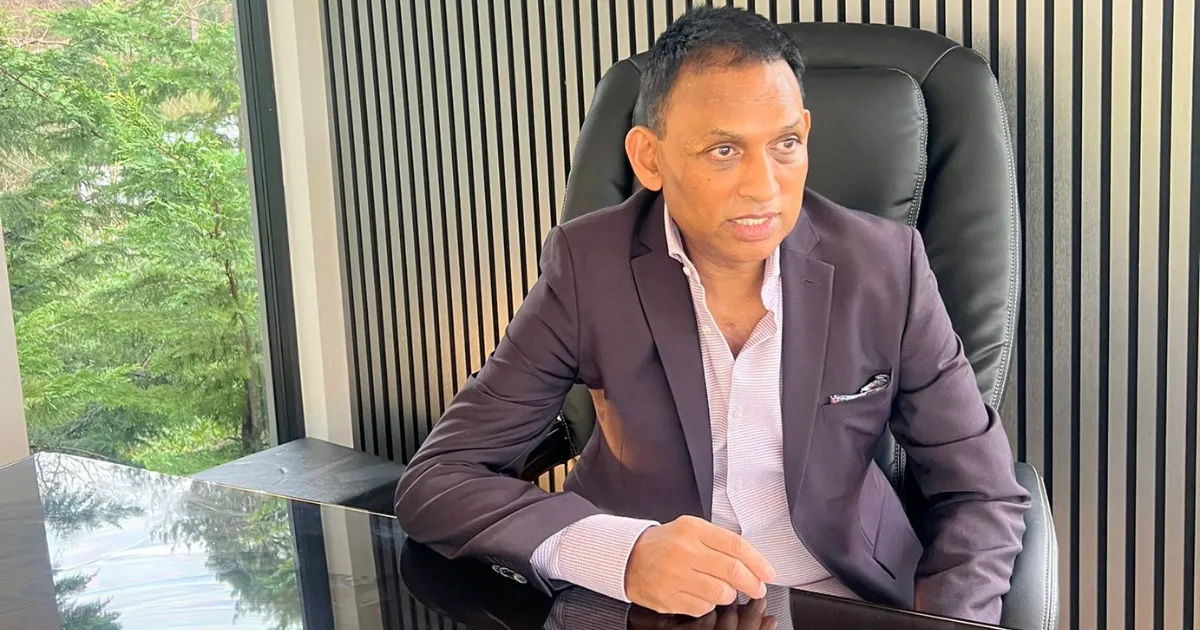
Sheth Jeebun elderly care leadership stands as a model for how strong leadership can shape quality care, staff satisfaction, and resident well-being. In today’s aging world, the importance of effective leadership in senior care facilities continues to grow.
This guide explains the key roles, responsibilities, and impact of leadership in senior care environments. It is written in simple language so anyone can understand how leadership influences daily life in these facilities.
Leadership in Senior Care
Leadership in senior care facilities involves guiding teams, making decisions, and ensuring residents receive the best possible care. Sheth Jeebun elderly care leadership reflects a balance between administrative duties and human connection.
Leaders must manage staff, handle resources, and ensure compliance with regulations. At the same time, they must show empathy and build trust with residents and their families.
Strong leadership creates a positive environment where both staff and residents feel valued.
Core Responsibilities of Leadership
Creating a Clear Vision
Every successful facility needs a strong vision. Leaders define goals and ensure everyone works toward them. Sheth Jeebun elderly care leadership focuses on improving quality of life for residents while maintaining high standards.
A clear vision helps staff understand their purpose and stay motivated.
Ensuring Quality Care
One of the most important responsibilities is maintaining high-quality care. Leaders must ensure that all residents receive safe, respectful, and personalized care.
Sheth Jeebun elderly care leadership emphasizes consistent care practices and regular monitoring to maintain standards.
This includes:
Managing Staff Effectively
Staff management is a key part of leadership. Leaders must hire, train, and support caregivers.
Sheth Jeebun elderly care leadership promotes teamwork and encourages staff to grow professionally.
Good leaders:
When staff feel supported, they perform better.
Communication and Relationship Building
Building Trust with Residents
Residents need to feel safe and respected. Leaders play a role in creating this trust.
Sheth Jeebun elderly care leadership encourages open communication and emotional support.
Leaders should:
-
Listen to concerns
-
Respond quickly
-
Show empathy
Working with Families
Families want to know their loved ones are in good hands. Leaders must communicate regularly with them.
Sheth Jeebun elderly care leadership focuses on transparency and honesty.
This includes:
Encouraging Team Communication
Good communication among staff is essential. Leaders ensure that information flows smoothly.
Sheth Jeebun elderly care leadership supports regular meetings and teamwork.
Clear communication reduces errors and improves care quality.
Decision-Making and Problem Solving
Leaders must make quick and effective decisions. Senior care environments often face unexpected challenges.
Sheth Jeebun elderly care leadership promotes thoughtful and informed decision-making.
Leaders should:
-
Analyze situations
-
Consider all options
-
Act responsibly
Problem-solving skills are essential for handling emergencies and daily challenges.
Ensuring Compliance and Safety
Following Regulations
Senior care facilities must follow strict rules. Leaders ensure compliance with healthcare standards.
Sheth Jeebun elderly care leadership prioritizes legal and ethical responsibilities.
This includes:
Maintaining a Safe Environment
Safety is critical. Leaders must create an environment free from risks.
Sheth Jeebun elderly care leadership emphasizes prevention and regular inspections.
Key actions include:
-
Checking equipment
-
Preventing falls
-
Ensuring hygiene
Financial and Resource Management
Leaders are responsible for managing budgets and resources.
Sheth Jeebun elderly care leadership focuses on efficiency without compromising care.
This involves:
Good financial management ensures long-term success.
Staff Training and Development
Training is essential for maintaining quality care.
Sheth Jeebun elderly care leadership encourages continuous learning.
Leaders should:
Well-trained staff provide better care and feel more confident.
Emotional Intelligence in Leadership
Leadership in senior care requires emotional intelligence.
Sheth Jeebun elderly care leadership highlights the importance of understanding emotions.
Leaders must:
Emotional intelligence helps build strong relationships.
Handling Challenges in Senior Care
Managing Staff Shortages
Staff shortages are common in healthcare.
Sheth Jeebun elderly care leadership focuses on planning and support.
Leaders can:
Dealing with Resident Health Issues
Residents may face sudden health changes.
Sheth Jeebun elderly care leadership ensures quick response and proper care.
Leaders must coordinate with healthcare professionals and families.
Addressing Conflicts
Conflicts can occur between staff or residents.
Sheth Jeebun elderly care leadership promotes respectful conflict resolution.
Leaders should:
-
Listen to all sides
-
Stay neutral
-
Find fair solutions
Promoting a Positive Culture
A positive environment improves both staff performance and resident happiness.
Sheth Jeebun elderly care leadership focuses on respect, teamwork, and kindness.
Leaders can:
-
Encourage collaboration
-
Celebrate achievements
-
Promote inclusivity
Innovation and Improvement
Leaders must adapt to changes in healthcare.
Sheth Jeebun elderly care leadership supports innovation and improvement.
This includes:
-
Using new technology
-
Improving care methods
-
Learning from feedback
Continuous improvement leads to better outcomes.
Ethical Responsibilities
Ethics are central to senior care.
Sheth Jeebun elderly care leadership ensures fairness and dignity.
Leaders must:
-
Respect resident rights
-
Maintain confidentiality
-
Make ethical decisions
Ethical leadership builds trust and credibility.
Leadership Styles in Senior Care
Different leadership styles can be used.
Sheth Jeebun elderly care leadership often combines multiple approaches.
Common styles include:
The best leaders adapt their style based on the situation.
Importance of Accountability
Leaders must take responsibility for their actions.
Sheth Jeebun elderly care leadership promotes accountability at all levels.
This means:
-
Owning decisions
-
Learning from mistakes
-
Improving processes
Accountability ensures continuous growth.
Role of Technology in Leadership
Technology is changing senior care.
Sheth Jeebun elderly care leadership supports digital tools for better management.
Examples include:
Technology improves efficiency and care quality.
Building Future Leaders
Strong leaders develop future leaders.
Sheth Jeebun elderly care leadership encourages mentorship and training.
Leaders should:
-
Identify potential
-
Provide guidance
-
Offer opportunities
Developing leaders ensures long-term success.
Conclusion
Leadership in senior care facilities is complex but rewarding. It requires a balance of management skills, emotional intelligence, and dedication to quality care. Sheth Jeebun elderly care leadership demonstrates how effective leadership can transform care environments.
From managing staff to ensuring safety, leaders play a crucial role in every aspect of senior care. Their decisions directly impact the well-being of residents and the success of the facility.
By focusing on communication, training, ethics, and continuous improvement, leaders can create a positive and supportive environment. Sheth Jeebun elderly care leadership highlights the importance of compassion, responsibility, and vision in delivering excellent care.
Strong leadership not only improves daily operations but also builds trust with residents and families. It ensures that every individual receives the respect and care they deserve.
In the future, the demand for skilled leaders in senior care will continue to grow. Facilities that invest in leadership development will be better prepared to meet these challenges.
Ultimately, leadership is about making a difference. Sheth Jeebun elderly care leadership proves that with the right approach, leaders can create meaningful and lasting impact in the lives of others.