Category: Health & Fitness

What Changes When the Chest Rises with the Wang Procedure?What Changes When the Chest Rises with the Wang Procedure?

Why the choice matters for real people, right now

Here’s the scene: a teen who skips sports because PE leaves him breathless, and a young mum who hides her chest in photos. The wang procedure sits right in the middle of their choices, and it’s not just about looks, lah. Roughly 1 in 300 people live with a sunken chest, and many report fatigue or chest tightness during daily life. Some studies show better exercise tolerance after correction, but the path to that win isn’t straight. Which method helps you breathe, move, and heal with fewer trade-offs? And which one respects both the ribs and the mind?

We also must talk about the “hidden” bits: scars that bother, pain that lingers, and fear of the bar shifting when you roll over. The stakes are bigger than vanity; the thoracic cavity and lung expansion can be involved. So the question becomes simple: how do we get a lift in function with fewer complications—without overdoing the surgery? Let’s walk through the deeper layer, step by step, then look ahead to what’s shaping the next wave.

The deeper layer: where classic fixes stumble, and why it matters

Where do classic methods fall short?

Many people hear “just do pectus excavatum surgery and you’ll be fine,” but the story got more corners, leh. Traditional routes like broad cartilage resection or sternal osteotomy aim to rebuild shape, yet they can invite longer stays and more pain. Even minimally invasive approaches can struggle with bar migration, rib stress, or nerve irritation along the intercostal spaces. Look, it’s simpler than you think: when the correction relies on brute force instead of stable biomechanics, the body pushes back. Thoracoscopy helps surgeons see, but seeing isn’t the same as keeping the sternum steady during recovery—funny how that works, right?

Beyond the theatre, hidden user pain points stack up. Parents worry about a child’s activity limits. Teens fret over a midline scar. Some patients fear sleeping on the side because of stabilizer pressure. And when perioperative care doesn’t include good regional analgesia or clear movement rules, anxiety goes up while compliance goes down. That’s the deeper flaw in “just fix the dip”: if the plan ignores soft-tissue load paths, periosteum integrity, and bar-to-bone interface, you trade one problem for another. The result can be extra clinic visits, imaging to check displacement, and, sometimes, re-intervention. A better plan respects tissue, applies lever mechanics wisely, and keeps the bar where it belongs from day one.

Comparative insight: new principles that change the lift and the life

What’s Next

Moving forward, newer techniques lean on engineering logic—smoother force distribution, multi-point fixation, and less cartilage trauma. Instead of cutting more, they aim to elevate smarter. The idea is simple but powerful: use stable vectors that raise the sternum while minimizing shear on the ribs. When the subfascial tunnel is clean and the stabilizer geometry matches chest contour, the construct resists twist, not just push. Pair this with ultrasound-guided nerve blocks and measured bar placement across safer intercostal spaces, and recovery feels less like a fight and more like a glide. That’s where modern thinking around surgery for pectus excavatum is heading—less disruption, more control.

Compared with older “reshape by resection” mindsets, these principles value soft-tissue respect, targeted traction, and predictable load paths (small tweaks, big wins). It echoes what we saw above: if pain and migration are the hidden costs, then better mechanics and perioperative playbooks are the discount. No magic, just consistent technique and careful postoperative protocols—breathing exercises, activity staging, and clear signs for when to call the team. Before you choose, use an advisory lens with three metrics: 1) biomechanical stability (bar placement, stabilizer design, fixation points); 2) recovery quality (analgesia plan, length of stay, return-to-activity timeline); 3) complication floor (rates of migration, infection, and reoperation). Make that your north star, and the choice gets clearer—and calmer. For context and careful reading of options, see ICWS.

L’Importanza Fondamentale della Cura Dentale Quotidiana per Mantenere un Sorriso Sano, Prevenire le Malattie Orali e Migliorare la Salute Generale dell’Organismo nel Corso di Tutta la VitaL’Importanza Fondamentale della Cura Dentale Quotidiana per Mantenere un Sorriso Sano, Prevenire le Malattie Orali e Migliorare la Salute Generale dell’Organismo nel Corso di Tutta la Vita


La cura dentale è uno degli aspetti più importanti della salute personale, spesso sottovalutato ma essenziale per il benessere generale dell’organismo. Avere denti sani non significa soltanto possedere un sorriso esteticamente gradevole, ma anche garantire il corretto funzionamento di attività fondamentali come la masticazione, la pronuncia delle parole e la digestione. Una bocca in buona salute influisce positivamente su tutto il corpo e contribuisce a migliorare la qualità della vita in ogni fase dell’età.

La base di una buona igiene orale è la pulizia quotidiana dei denti. Lavarsi i denti almeno due volte al giorno con uno spazzolino adeguato e un dentifricio al fluoro aiuta a rimuovere la placca batterica e i residui di cibo che si accumulano durante la giornata. Se non eliminata correttamente, la placca può trasformarsi in tartaro, favorendo la comparsa di carie e infiammazioni gengivali. Anche la tecnica di spazzolamento è fondamentale: movimenti delicati, circolari e accurati permettono di pulire efficacemente ogni superficie del dente senza danneggiare lo smalto o irritare le gengive.

Un altro elemento indispensabile della cura dentale è l’uso del filo interdentale. Molte persone trascurano questa pratica, ma è proprio tra i denti che si annidano i residui alimentari più difficili da rimuovere. Il filo interdentale permette di pulire queste zone in profondità, prevenendo la formazione di carie interdentali e riducendo il rischio di gengivite. L’uso regolare di collutori antibatterici può inoltre aiutare a mantenere l’alito fresco e a ridurre la proliferazione dei batteri nella cavità orale.

L’alimentazione svolge un ruolo altrettanto importante nella salute dei denti. Un consumo eccessivo di zuccheri, dolci e bevande zuccherate aumenta il rischio di carie, poiché i batteri presenti nella bocca trasformano gli zuccheri in acidi che attaccano lo smalto dentale. Al contrario, una dieta equilibrata ricca di frutta, verdura, latticini e alimenti ricchi di calcio e vitamine contribuisce a rafforzare i denti e a mantenere gengive sane. Bere acqua regolarmente aiuta a pulire naturalmente la bocca e a mantenere un corretto livello di idratazione.

Le visite periodiche dal dentista sono fondamentali per la prevenzione e la diagnosi precoce di eventuali problemi. Anche in assenza di dolore o sintomi evidenti, è consigliabile effettuare controlli regolari almeno una o due volte l’anno. Durante queste visite, il dentista può individuare carie iniziali, infezioni gengivali o altri disturbi e intervenire tempestivamente, evitando complicazioni più gravi. Inoltre, la pulizia professionale consente di rimuovere il tartaro che non può essere eliminato con la sola igiene domestica.

In conclusione, la cura dentale rappresenta una parte essenziale della salute globale. Adottare buone abitudini quotidiane, seguire una dieta sana e sottoporsi a controlli regolari permette di mantenere dentisti in Albania forti e gengive sane nel tempo. Un sorriso curato non è solo un segno di bellezza, ma anche il riflesso di un corpo sano e di uno stile di vita equilibrato. Investire nella salute orale significa investire nel proprio benessere presente e futuro.

What egg health means to Gynecologists?What egg health means to Gynecologists?

When discussing fertility and reproductive health, gynecologists often emphasize the importance of egg health. In clinical conversations at a Best Gynaecologist in Islamabad clinic or anywhere in the world, egg quality is considered one of the most important factors in a woman’s ability to conceive and maintain a healthy pregnancy.
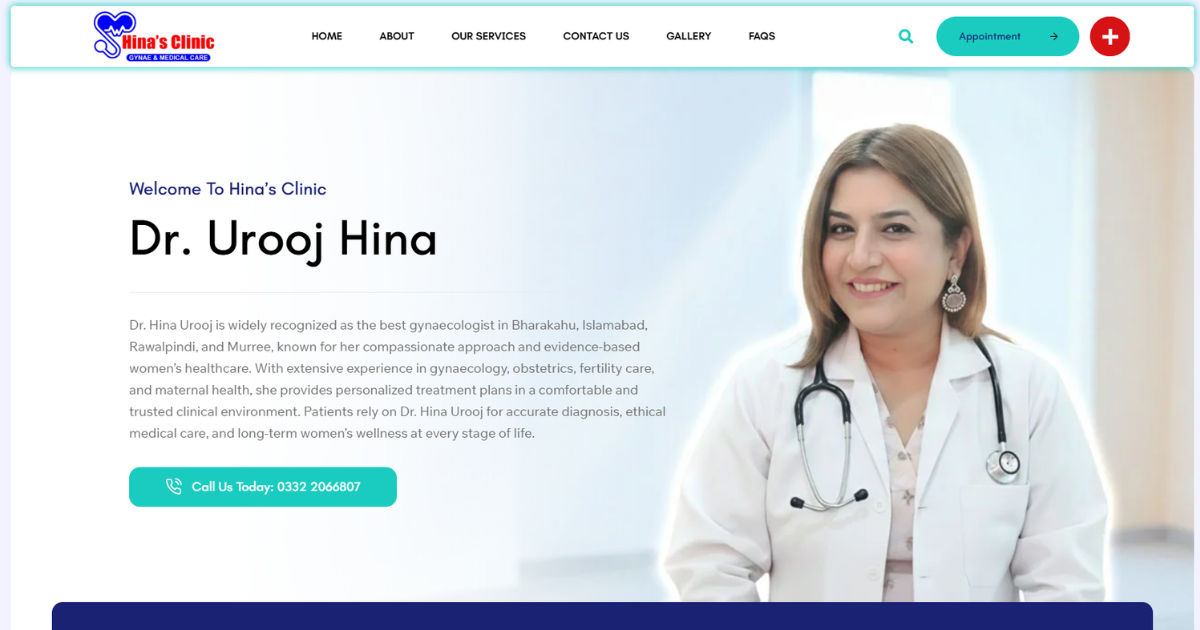
Egg health is not just about the number of eggs in the ovaries but also about their genetic integrity, maturity, and ability to fertilize successfully.

This guide explains in simple and detailed terms what egg health means to gynecologists, including the Best Gynaecologist in Islamabad, how it is evaluated, what affects it, and how women can support their reproductive well-being. It is written for a 12th-grade level audience to make the concept clear, practical, and easy to understand.


Egg Health in Gynecology

Egg health refers to the overall quality and viability of a woman’s eggs, also called oocytes. Gynecologists define it based on two main factors: quantity and quality.

Quantity refers to the number of eggs a woman has left in her ovaries, often called ovarian reserve. Every female is born with a fixed number of eggs, and this number decreases with age.

Quality refers to how healthy those eggs are at a cellular level. A healthy egg has the correct genetic structure and can divide properly after fertilization, increasing the chances of a successful pregnancy.

When patients visit a Best Gynaecologist in Islamabad, they are often surprised to learn that egg health is more important than just having regular menstrual cycles. Even women with normal cycles may have reduced egg quality without obvious symptoms.


How Gynecologists Evaluate Egg Health

Gynecologists use several medical tools and tests to assess egg health. These are not visible externally, so medical evaluation is essential.

Hormonal Testing

Hormone levels such as Anti-Müllerian Hormone (AMH), Follicle-Stimulating Hormone (FSH), and Estradiol are commonly measured. These hormones give an idea of ovarian reserve and egg development.

Ultrasound Examination

A transvaginal ultrasound allows gynecologists to count the antral follicles in the ovaries. These follicles are small sacs that contain immature eggs. A higher number usually indicates better reproductive potential.

Ovulation Tracking

Tracking ovulation patterns helps determine whether eggs are being released properly. Irregular ovulation may suggest underlying issues affecting egg health.

Genetic Considerations

In advanced fertility cases, genetic screening may be used to assess whether eggs carry chromosomal abnormalities.

At a Best Gynaecologist in Islamabad clinic, these assessments are often combined to give a complete picture of reproductive health.


The Role of Age in Egg Health

Age is the most important factor influencing egg health. Women are born with about one to two million eggs, but by puberty, this number reduces significantly. By the age of 30, both the quantity and quality begin to decline gradually. After 35, the decline becomes more noticeable, and after 40, fertility rates drop sharply.

Gynecologists explain that aging eggs are more likely to have chromosomal abnormalities, which can lead to infertility or miscarriage. This is why age is always discussed when evaluating fertility potential.

However, it is important to understand that while age affects egg health, lifestyle and medical conditions also play a role.


What Affects Egg Health?

Several internal and external factors influence egg quality. Gynecologists consider these when evaluating reproductive health.

Hormonal Balance

Hormones regulate egg development and ovulation. Imbalances such as thyroid disorders or polycystic ovary syndrome (PCOS) can affect egg maturation.

Lifestyle Choices

Smoking, excessive alcohol consumption, and poor diet can damage egg cells over time. Stress also plays a role in hormonal disruption, which indirectly affects egg health.

Medical Conditions

Conditions like endometriosis, diabetes, and autoimmune disorders may negatively impact ovarian function.

Environmental Exposure

Exposure to toxins, pollution, and radiation can contribute to oxidative stress, which damages reproductive cells.

A consultation with a Best Gynaecologist in Islamabad often includes guidance on minimizing these risks.


Egg Quality vs Egg Quantity

One of the most common misconceptions in gynecology is that fertility depends only on egg quantity. In reality, egg quality is often more important.

A woman may have a high number of eggs but poor quality, leading to difficulty in conception. On the other hand, a woman with fewer but healthier eggs may still conceive naturally.

Egg quality affects:

Fertilization success

Embryo development

Pregnancy stability

Risk of miscarriage

Gynecologists often explain this distinction clearly because it helps patients understand fertility more realistically.


Signs of Poor Egg Health

Poor egg health does not always show clear symptoms. However, some signs may indicate potential issues.

Irregular menstrual cycles

Difficulty conceiving

Repeated miscarriages

Early menopause symptoms

Hormonal imbalance signs

These symptoms do not confirm poor egg quality but suggest the need for medical evaluation.

At a Best Gynaecologist in Islamabad clinic, such symptoms are taken seriously and investigated through detailed testing.


Can Egg Health Be Improved?

One of the most important questions patients ask is whether egg health can be improved. The answer is partially yes.

While a woman cannot increase the number of eggs she is born with, she can improve the environment in which those eggs develop.

Healthy Diet

A balanced diet rich in antioxidants, vitamins, and minerals supports cellular health. Nutrients like folic acid, vitamin D, and omega-3 fatty acids are particularly beneficial.

Regular Exercise

Moderate physical activity improves blood circulation and hormone regulation.

Stress Management

Chronic stress can disrupt hormonal balance. Relaxation techniques such as meditation and breathing exercises help maintain reproductive health.

Avoiding Harmful Habits

Stopping smoking and limiting alcohol intake can significantly improve reproductive outcomes.

Medical Treatment

In some cases, gynecologists may recommend fertility medications or assisted reproductive technologies.

A consultation with a Best Gynaecologist in Islamabad helps determine the most suitable approach based on individual needs.


Egg Health and Fertility Treatments

In modern gynecology, egg health plays a key role in fertility treatments such as IVF (In Vitro Fertilization). Before starting treatment, doctors evaluate egg quality to estimate success rates.

In IVF procedures, eggs are retrieved from the ovaries and fertilized in a laboratory. The quality of these eggs directly affects embryo development and implantation success.

Even in advanced fertility treatments, gynecologists emphasize improving egg health naturally before medical intervention whenever possible.


Emotional Impact of Egg Health Awareness

Learning about egg health can be emotionally challenging for many women. Concerns about fertility, age, and reproductive potential often create anxiety.

Gynecologists understand this emotional aspect and approach it with sensitivity. Counseling and clear communication help patients make informed decisions without fear.

At a Best Gynaecologist in Islamabad practice, emotional support is often part of reproductive healthcare, especially for women facing fertility challenges.


Common Myths About Egg Health

There are many misconceptions about egg health that can cause unnecessary worry.

One myth is that fertility ends immediately after 35. While fertility does decline, many women conceive naturally after this age.

Another myth is that regular periods always mean healthy eggs. In reality, ovulation quality is more important than cycle regularity.

A third myth is that fertility supplements alone can guarantee healthy eggs. While supplements may help, they cannot reverse age-related decline.

Gynecologists play an important role in correcting these misunderstandings.


Medical Perspective on Egg Health

From a medical perspective, egg health is a complex combination of biological, hormonal, and environmental factors. It is not a single measurement but a combination of indicators.

Gynecologists assess it holistically, considering the patient’s age, medical history, hormonal levels, and reproductive goals.

In clinical practice, especially at a Best Gynaecologist in Islamabad facility, this comprehensive approach ensures accurate diagnosis and personalized treatment planning.


Future of Egg Health Research

Medical science continues to study egg health in greater detail. Advances in reproductive medicine are improving understanding of cellular aging, genetic integrity, and fertility preservation.

Egg freezing is one such development that allows women to preserve healthy eggs for future use. This option is becoming increasingly popular among women who want to delay pregnancy for personal or professional reasons.

Research continues to explore how lifestyle and medicine can further support reproductive longevity.


Conclusion

Egg health is one of the most important aspects of female reproductive wellness. It determines fertility potential, pregnancy outcomes, and overall reproductive lifespan. Gynecologists evaluate egg health using hormonal tests, ultrasound scans, and clinical assessments to provide a complete understanding of a woman’s reproductive condition.

While age plays a significant role, lifestyle choices, medical conditions, and emotional well-being also influence egg quality. Although women cannot increase the number of eggs they are born with, they can take meaningful steps to protect and support their reproductive health.

Understanding egg health helps women make informed decisions about family planning, fertility treatments, and long-term wellness. In clinical settings such as a Best Gynaecologist in Islamabad practice, this knowledge is essential for guiding patients with clarity and care.

By maintaining a healthy lifestyle and seeking timely medical advice, women can improve their chances of maintaining strong reproductive health throughout their lives.

The Therapeutic Potency And Cure Benefits Of Hypnotherapy In Treating Stress, Anxiety, Behavioral Challenges, And Enhancing Unhealthy Well-being Through Guided Hypnotic TechniquesThe Therapeutic Potency And Cure Benefits Of Hypnotherapy In Treating Stress, Anxiety, Behavioral Challenges, And Enhancing Unhealthy Well-being Through Guided Hypnotic Techniques

Hypnotherapy has gained realisation as a mighty and various therapeutic tool for addressing a wide range of science, feeling, and behavioral issues. By utilizing target-hunting rest, focused attention, and trace, hypnotherapists help individuals access a heightened submit of awareness known as a trance, allowing the mind to respond more in effect to formal suggestions and behavioral interventions. Unlike green misconceptions, hypnotherapy does not ask loss of control or mind manipulation; rather, it is a cooperative process where clients actively wage in their healing travel under the guidance of a trained professional.

One of the primary quill applications of hypnotherapy is in managing strain and anxiousness. In nowadays s fast-paced earth, many individuals struggle with degenerative strain, panic attacks, and general anxiousness, which can negatively affect natural science and feeling well-being. Hypnotherapy techniques help stimulate deep relaxation, calm the tense system, and reframe veto thought process patterns. By promoting unhealthy clarity and emotional resiliency, hypnotherapy enables clients to train healthier coping strategies, tighten tensity, and ameliorate overall scientific discipline balance. Over time, these Sessions can help individuals respond to trying situations with greater calm and confidence.

Behavioral change is another area where hypnotherapy has shown substantial effectiveness. Conditions such as smoking dependency, gula, nail-biting, or compulsive behaviors can be self-addressed by using suggestion therapy within the soporific submit. Hypnotherapists help clients identify subjacent triggers, reward formal habits, and diminish corrupting behaviors by reshaping subconscious mind intellection patterns. This set about is often more flourishing than orthodox methods because it works direct with the subconscious mind mind, where habits and automatic rifle responses are vegetable, flaring the likeliness of stable transfer.

Hypnotherapy is also widely used for managing prolonged pain, catch some Z’s disorders, and neurotic conditions. By leading clients to focalize on ease and unhealthy visual image, hypnotherapists can reduce the perception of pain, better catch some Z’s quality, and alleviate natural science symptoms exacerbated by science strain. Techniques such as radio-controlled imagination and self-hypnosis endue clients to take an active voice role in their wellness and well-being, providing tools they can rehearse independently between Sessions.

Moreover, hypnotherapy supports subjective and self-confidence sweetening. Through Roger Sessions studied to reinforce self-belief, goal scene, and need, individuals can sweep over fears, ameliorate public presentation in work or sports, and tone up social skills. This cure go about emphasizes the mind-body connection, recognizing that mental clearness, prescribed mentation, and feeling resiliency put up importantly to overall succeeder and fulfillment.

It is probatory to note that hypnotherapy is most effective when conducted by skilled and certified professionals. Ethical practices, client consent, and personal treatment plans see to it safety and efficacy. Hypnotherapy is often used in conjunction with other treatments such as psychological feature behavioral therapy, direction, or medical checkup interventions to attain comprehensive unhealthy health outcomes.

In conclusion, hypnotherapy offers a holistic and testify-based set about to enhancing unhealthy, feeling, and activity well-being. By accessing the subconscious mind mind, promoting ease, and reinforcing prescribed suggestions, Cognitive Hypnotherapy Birmingham addresses strain, anxiousness, behavioral challenges, and subjective increment. Its versatility and non-invasive nature make it an magnetic remedy choice for individuals seeking choice or complementary color treatment strategies. With homogeneous practice and professional guidance, hypnotherapy can endow individuals to transform veto patterns, better quality of life, and achieve property personal and feeling development.

Wellness Trends in Dhaka: Why Thai Spa Services Are Growing FastWellness Trends in Dhaka: Why Thai Spa Services Are Growing Fast


In recent years, the wellness industry in Dhaka has grown rapidly as more people focus on relaxation, stress relief, and healthy living. Busy work schedules, city traffic, and daily pressure have increased the demand for professional spa and wellness services across the city.

Today, many people regularly search online for:

  • Spa near me
  • Thai spa in Dhaka
  • Full body massage near me
  • Relaxing spa in Gulshan
  • Body to Body Massage in Dhaka

Among the growing wellness trends, Thai spa services have become one of the most popular choices for people looking for premium relaxation experiences in Dhaka.

Rising Demand for Wellness & Relaxation

Modern lifestyles often create physical fatigue and mental stress. Professionals, entrepreneurs, travelers, and residents in areas like Gulshan, Banani, and Baridhara are increasingly choosing spa therapy as part of their self-care routine.

People now visit spas not only for luxury, but also for:

  • Stress relief
  • Mental relaxation
  • Muscle recovery
  • Better sleep
  • Full body wellness

This growing awareness has made Thai spa therapy highly popular in Dhaka.

Why Thai Spa Services Are Becoming Popular

Thai spa treatments are known worldwide for combining relaxation techniques with therapeutic benefits. Traditional Thai massage focuses on stretching, pressure points, and body relaxation methods that help reduce tension and improve overall comfort.

Popular Thai spa services include:

  • Traditional Thai Massage
  • Full Body Massage
  • Aromatherapy Massage
  • Hot Stone Massage
  • Deep Tissue Therapy
  • Body to Body Massage

Because of these benefits, more people search daily for the best Thai spa near me in Dhaka.

Growing Interest in Body to Body Massage

Another major wellness trend in Dhaka is the increasing demand for professional Body to Body Massage services. Many people prefer spa experiences that provide deep relaxation in a peaceful and private environment.

Search trends now commonly include:

  • Body to Body Massage near me
  • Relaxing body spa in Dhaka
  • Premium spa in Gulshan
  • Best massage center near me

This shows how wellness and relaxation services are becoming part of modern urban lifestyles.

Gulshan: A Wellness Hub in Dhaka

Gulshan has become one of the leading wellness destinations in Dhaka due to its premium environment, accessibility, and growing number of professional spa centers.

Located at House 12/A, Road 55 Gulshan North Ave, Dhaka 1212, Gulshan Thai SPA Center offers professional Thai spa services for clients in:

  • Gulshan 1 & 2
  • Banani
  • Baridhara
  • Niketan
  • Mohakhali
  • Nearby Dhaka areas

Its convenient location and relaxing atmosphere make it a preferred choice for people searching for a trusted spa near them.

A Modern Approach to Self-Care

The modern wellness trend is no longer only about beauty or luxury – it is about maintaining balance between body and mind. Spa therapy has become an important part of self-care for many people living in busy urban environments.

Professional spa experiences can help people:

  • Recharge mentally
  • Relax physically
  • Reduce stress levels
  • Improve overall well-being

This shift in lifestyle is one of the main reasons why Thai spa services continue growing fast in Dhaka.

Final Thoughts

As wellness awareness continues to increase, Thai spa services are becoming more popular across Dhaka. From Traditional Thai Massage to Full Body Massage and Body to Body Massage services, more people are investing in relaxation and self-care.

For those looking for a premium wellness experience in Gulshan 2, Gulshan Thai SPA Center provides a peaceful environment designed for comfort, relaxation, and stress relief in the heart of Dhaka.

About the Writer: Konok Ray is a Local SEO Expert helping businesses improve Google rankings, local visibility, and online growth through SEO and content marketing.