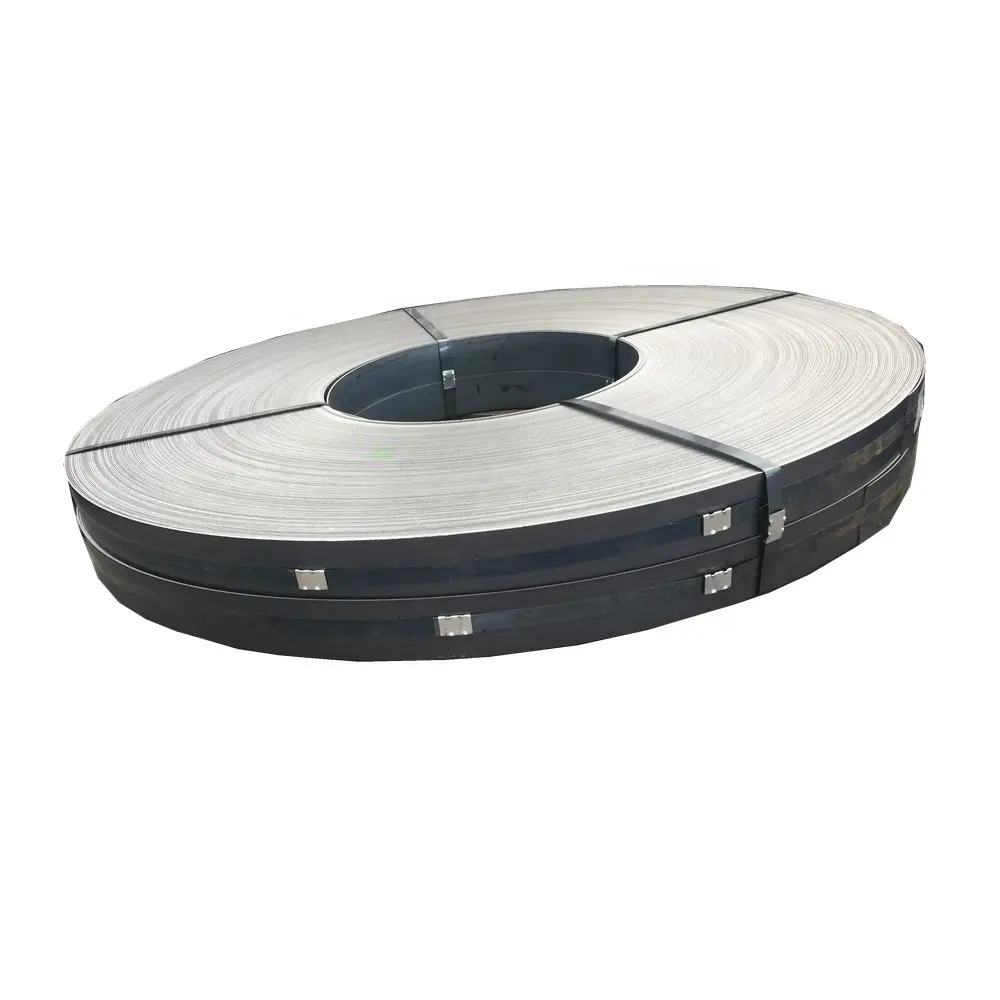
In both the aerospace and automotive industries, where refuge, preciseness, and public presentation are dominant, the materials used in manufacturing components must meet stringent standards. Stainless steel coils have emerged as an obligatory stuff in these fields due to their unique of effectiveness, enduringness, and resistance to . Whether in the twist of aeroplane parts or car components, stainless nerve coils are key to ensuring the unity and longevity of critical systems Hot Rolled Steel Coil.
In this clause, we ll search why stainless steel nerve coils are requisite for the aerospace and self-propelled industries, examining their benefits, applications, and the key role they play in these high-performance sectors.
What Are Stainless Steel Coils?
Stainless steel coils are long, twisted sheets of stainless steel nerve, which is an alloy in the first place made up of iron, carbon, and Cr. The Cr (at least 10.5) gives chromium steel nerve its underground to corrosion, making it a highly long-wearing and varied material. Stainless nerve coils are typically produced in various grades, each offer different properties such as strength, underground to heat and chemicals, and formability.
These coils are used across many industries, from construction to medical exam devices, but they are particularly essential in the aerospace and moving industries, where materials must hold out extreme point conditions.
Why Stainless Steel Coils Are Crucial for the Aerospace Industry
The aerospace industry demands materials that can brave out extreme state of affairs conditions such as high temperatures, forc, and friction, all while maintaining biology integrity. Stainless nerve coils are particularly right for these challenges.
1. Corrosion Resistance
Aerospace components are unclothed to unpleasant environments, including high altitudes, unsteady temperatures, and sometimes like salt or chemicals. Stainless nerve s underground, provided by its Cr content, ensures that vital parts like aircraft morphological components, engine parts, and fuel systems remain intact and do optimally throughout their life cycles.
Stainless steel coils are ordinarily used in manufacturing parts such as fasteners, hydraulic systems, and beat systems, where underground is a non-negotiable prerequisite.
2. Strength-to-Weight Ratio
Weight is a material thoughtfulness in aerospace technology, as ignitor components help improve fuel and overall aircraft public presentation. Stainless steel coils volunteer a high effectiveness-to-weight ratio, substance they can ply the necessary potency for structural integrity without adding supernumerary weight. This is life-sustaining in components such as aircraft frames, landing gears, and mounts, where weight nest egg can importantly raise fuel thriftiness.
3. Heat Resistance
Aircraft engines operate at extremely high temperatures, and components must be able to hold out heat without losing their morphologic unity. Stainless steel, particularly alloys such as 17-4 PH stainless steel nerve, offers first-class heat resistance while maintaining its strength and form even under high-heat conditions. This makes it an ideal material for turbine blades, wash up systems, and heat exchangers in aircraft.
4. Durability and Longevity
The dependableness of aerospace components is non-negotiable. Stainless nerve s enduringness ensures that components do not fail untimely, which could have catastrophic consequences. Its ability to stand wear, tear, and wear makes it saint for high-stress applications, such as engine components and landing place gear systems.
5. Malleability and Fabrication
Despite its strength, chromium steel steel is tensile, substance it can be molded, welded, and formed into various components needful for complex aerospace designs. The formability of stainless nerve coils allows manufacturers to create parts with complex geometries and finespun dimensions, which is necessity in the aerospace sector.
Why Stainless Steel Coils Are Vital for the Automotive Industry
In the moving industry, chromium steel nerve coils play a significant role in ensuring vehicles are safe, serviceable, and efficient. As vehicles continue to evolve toward high performance and greater sustainability, the demand for high-quality materials like stainless steel steel is rise.
1. Corrosion Resistance in Automotive Parts
Cars are constantly exposed to moisture, road salts, and other environmental elements that can cause rust and . Stainless steel coils, with their cancel underground to corrosion, are requirement in components like beat systems, fuel tanks, and bracken lines. The corrosion resistance ensures these parts have a thirster serve life, reducing the need for patronize replacements and sustentation.
In regions where roads are brine-cured during winter, chromium steel steel’s -resistant properties are particularly key for the seniority of a vehicle s undercarriage and wash up systems.
2. Fuel Efficiency and Lightweight Design
Automotive manufacturers are continually strain to tighten fomite weight to better fuel efficiency and tighten carbon paper emissions. Stainless nerve coils, particularly in igniter alloys, are normally used in the manufacturing of self-propelled body panels and chassis components, where a poise of strength and slant is material. Their power to exert high tensile strength while retention the overall weight low contributes to more fuel-efficient and environmentally friendly vehicles.
3. Durability and Safety
The self-propelling industry places a insurance premium on safety, and stainless steel s durability is a key factor out in enhancing fomite safety. Components like roll cages, bumpers, and bracken components rely on the temper and strength of chromium steel steel to take over affect forces and protect occupants in the of a collision.
Additionally, stainless nerve is extremely tolerable to fatigue, ensuring that parts subjected to recurrent try, like temporary removal components or drive shafts, exert their structural wholeness over time.
4. Aesthetic Appeal and Customization
Beyond its usefulness benefits, stainless steel nerve s sleek, refined end up is also desirable for aesthetic purposes. Stainless steel coils are used in the product of automotive trims, grilles, and interior features, providing a Bodoni font, high-end look that appeals to consumers. Its underground to tarnishing or staining ensures that these parts exert their seeable appeal throughout the lifespan of the vehicle.
5. Heat Resistance in Exhaust Systems
In automotive technology, the beat system of rules is subjected to extreme point heat conditions. Stainless steel coils are the stuff of option for exhaust pipes, manifolds, and chemical process converters due to their power to hold out high temperatures without warping or deteriorating. This heat resistance ensures that wash up systems preserve to function effectively, contributing to vehicle performance and emissions verify.
The Future of Stainless Steel Coils in Aerospace and Automotive Industries
As both the aerospace and moving industries move toward more sustainable, high-performance solutions, the role of stainless steel steel coils will bear on to grow. Innovations in manufacturing processes, such as high-tech welding techniques and additive manufacturing, are qualification it easier to create more complex and competent parts using chromium steel steel. Additionally, as the demand for electric vehicles(EVs) rises, chromium steel nerve s use in EV stamp battery housings, frames, and energy-efficient components is expected to expand.
The nonstop improvements in stainless steel steel debase formulations will only step-up its relevance, providing even high levels of corrosion underground, strength, and thermic stability, thus ensuring that the aerospace and self-propelled industries bear on to gain from this surpassing stuff.
Conclusion
From aircraft engines to motorca tucker out systems, stainless steel coils are a fundamental stuff in the aerospace and moving industries. Their of resistance, potency, whippersnapper properties, and heat underground makes them necessity in producing dependable, long-wearing, and high-performing components. As both industries evolve, chromium steel steel will continue a key participant in achieving safer, more competent, and sustainable designs. Whether you’re flying at 30,000 feet or cruising down the main road, stainless steel nerve coils are serving the public presentation and dependableness of the vehicles we reckon on every day.