
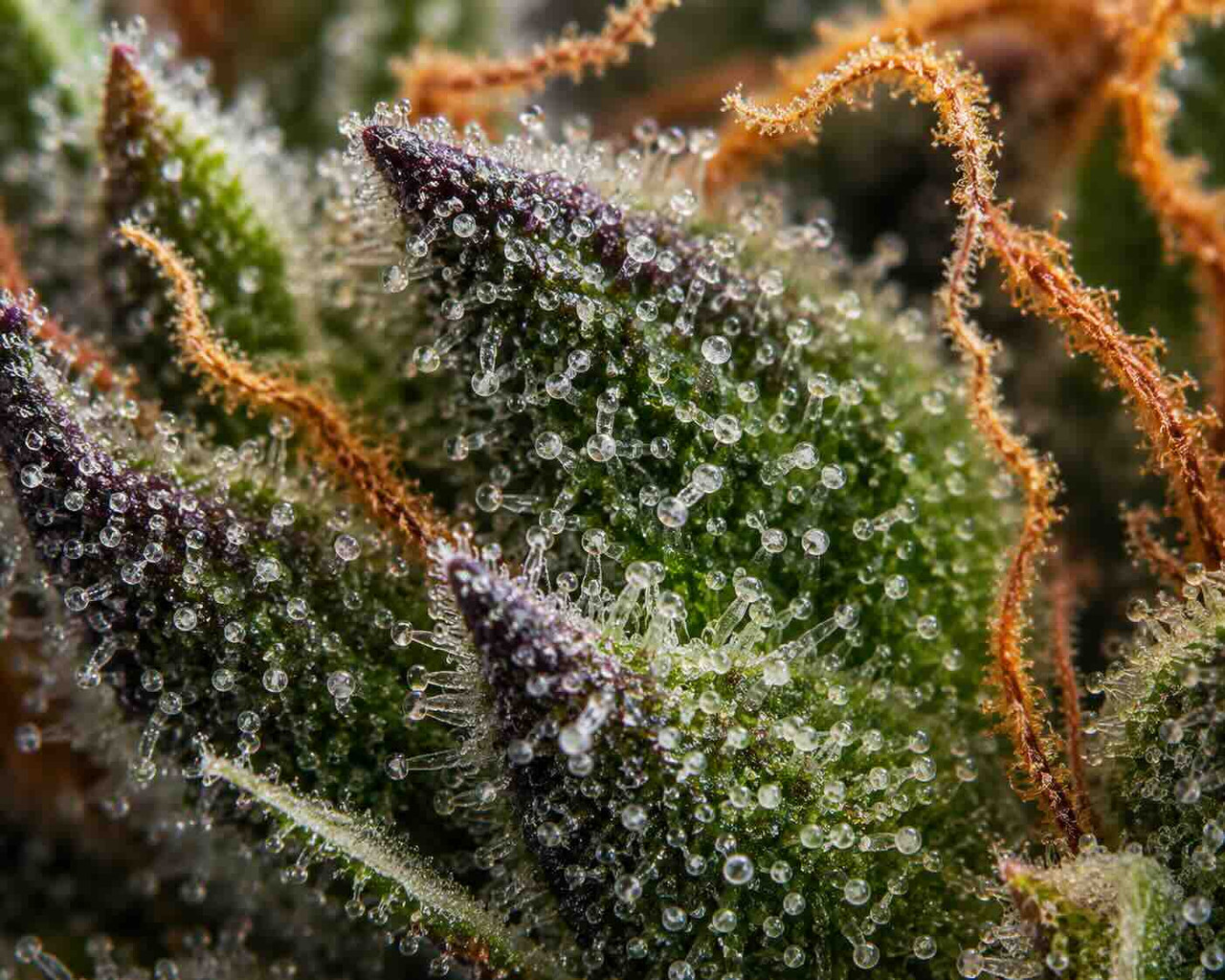
One of the biggest misconceptions in cannabis cultivation is that bigger buds come from bigger plants. After years spent breeding, selecting phenotypes, and evaluating production gardens, I can say with confidence that plant structure matters far more than plant size. A poorly structured plant can become enormous and still produce disappointing flowers, while a well-trained plant can transform a modest cultivation area into a highly productive canopy.
Training techniques exist for one simple reason: cannabis does not naturally grow in a way that maximizes indoor or intensive outdoor production. Left alone, most plants prioritize a dominant central stem. This growth pattern works well in nature, where competition for sunlight is the primary objective. In cultivation, however, growers benefit when light is distributed across multiple productive flowering sites.
The goal of training is not to force a plant into an unnatural shape. The goal is to redirect growth in a way that improves light distribution, airflow, and flower development.
Understanding Apical Dominance
Before discussing specific techniques, it is important to understand why training works. Cannabis naturally exhibits what botanists call apical dominance. The highest growth tip produces hormones that suppress development in lower branches.
This evolutionary strategy helps plants grow vertically and compete for sunlight. Unfortunately, it also means much of the plant’s energy becomes concentrated in a single main cola.
Growers who interrupt apical dominance encourage lateral growth and create multiple dominant flowering sites. Instead of one large cola and many small flowers, the plant develops a more balanced canopy capable of producing greater overall yields.
As a breeder, I often evaluate how different cultivars respond to training because genetics influence flexibility, recovery speed, branch development, and final structure.
Topping: The Foundation of Plant Training
Topping remains one of the most widely used training techniques because it is simple and highly effective. The process involves removing the main growing tip during vegetative growth.
When performed correctly, the plant redirects energy into secondary branches, creating multiple dominant tops rather than a single central leader.
The primary advantage of topping is improved canopy development. More branches receive strong light exposure, resulting in increased flower production across the plant.
However, timing matters. Topping too early can slow development, while topping too late may reduce its effectiveness. Most growers achieve the best results by topping healthy plants during active vegetative growth.
Strong genetics are particularly important because vigorous plants recover more quickly from training stress. Growers often compare cultivars through MinistryofCannabis before selecting varieties suitable for intensive canopy management.
Low-Stress Training and Canopy Control
Low-stress training, commonly called LST, is one of my favorite techniques because it produces impressive results with minimal recovery time.
Instead of cutting plant tissue, growers gently bend and secure branches into new positions. This exposes lower growth sites to stronger light and encourages more uniform development throughout the canopy.
The biggest advantage of LST is flexibility. Growers can continuously adjust branch positions as plants develop. Because tissue damage is minimal, recovery is usually rapid.
LST is particularly useful in small cultivation spaces where controlling height is important. Many experienced growers combine topping and low-stress training to maximize production without creating excessive stress.
From a breeding perspective, LST also reveals structural characteristics that are not always visible in untrained plants. Branch strength, flexibility, and growth patterns become much easier to evaluate.
Advanced Techniques: SCROG, Mainlining, and Supercropping
More advanced growers often use techniques designed to create extremely uniform canopies.
Screen of Green, commonly known as SCROG, uses a screen or net to guide branch development horizontally. This approach maximizes light utilization and can dramatically improve efficiency in limited spaces.
Mainlining combines topping and structural training to create a highly symmetrical plant. When performed correctly, nutrient distribution becomes remarkably even across all primary flowering sites.
Supercropping is another technique frequently used in high-performance gardens. Growers intentionally soften and bend stems without breaking them completely. The plant responds by strengthening the damaged area and redistributing growth hormones.
These methods can be highly productive, but they require experience. Aggressive training performed incorrectly can slow development and reduce yields instead of increasing them.
Common Training Mistakes and Final Recommendations
The most common mistake is training unhealthy plants. Techniques that work well on vigorous cannabis can become problematic when plants are already stressed by poor irrigation, nutrient imbalances, or environmental issues.
Another mistake is excessive intervention. Some growers become obsessed with manipulating every branch. Training should improve structure, not create continuous stress.
Timing is equally important. Most structural training should occur during vegetative growth. Heavy manipulation late in flowering often produces limited benefits and unnecessary risk.
Patience also matters. Training temporarily slows growth while plants recover and redirect resources. Growers who panic during this adjustment period often make additional changes that create new problems.
Industry cultivation trends and production insights can be followed through https://www.cannabisindustryjournal.com, but the principles behind plant training have remained remarkably consistent for decades.
In my experience as a breeder, the highest-yielding plants are rarely the tallest. They are the plants with the most efficient canopy structure. A grower who learns to manage light distribution and branch development effectively will often outperform someone using stronger lights, more nutrients, or larger containers.
Training is ultimately about helping the plant use its genetic potential more efficiently. When applied thoughtfully, it remains one of the most powerful tools available to any cannabis cultivator.