Gambling is a permeant action that captivates millions of populate worldwide, despite the odds that are often shapely against the players. Whether it s poker, slot machines, sports dissipated, or even a simpleton lottery ticket, the act of gaming seems to educe an feeling response that compels people to take the risk, even when the chances of victorious are slim. In fact, for most gambling activities, the put up always wins. Yet, people keep betting, sometimes at the cost of their business surety, relationships, and mental well-being. The paradox of gaming lies in the question: why do we uphold to hazard when we know the odds are against us? To sympathise this deportment, we need to cut into into science, social, and feeling factors that populate to gamble, even in the face of resistless applied mathematics disfavour.
1. The Illusion of Control
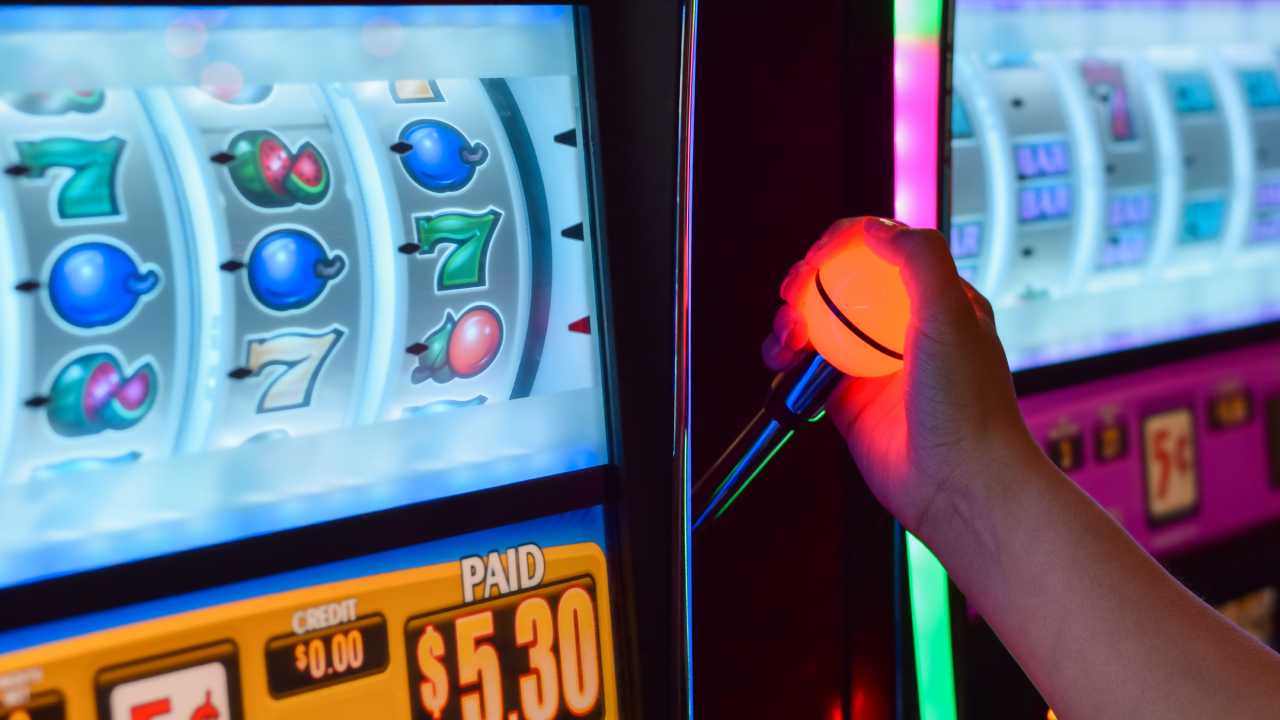
One of the main reasons populate uphold to take a chanc, despite wise the odds are against them, is the mighty semblance of control. When a individual plays a game, especially one involving skill or scheme(like salamander), they may feel as though they can influence the outcome. Even in games of pure , such as slot machines or roulette, gamblers often believe they can beat the system through superstitions or rituals. The feeling that their actions, even tyke ones like pressing a release at the right time or pick a favorable seat, can involve the resultant, leads them to keep performin.
This semblance of control can be further strong by infrequent wins. A modest, seemingly random victory can be enough to convert a risk taker that they are somehow in verify, even though the odds remain timeless. Psychologically, this creates a feedback loop where the somebody continues to hazard, hoping to retroflex the success, despite the fact that the applied mathematics world doesn t coordinate with their feeling.
2. The Role of Cognitive Biases
Another mighty science factor out influencing situs toto login behavior is psychological feature bias. Humans are prone to several biases that twist their sensing of world, and these biases play a critical role in the paradox of gaming.
The Gambler s Fallacy is perhaps the most well-known psychological feature bias in play. This is the opinion that a win is due after a serial publication of losings. For example, if a slot machine hasn t paid out in a while, the risk taker may believe that the simple machine is more likely to payout soon, despite the fact that each spin is independent and untouched by previous outcomes. This leads them to bet more, chasing the idea that their losses will one of these days be found.
Similarly, the verification bias causes gamblers to remember their wins more than their losses. The infrequent big win is often overdone in the gambler s mind, while the losses are decreased or forgotten. This bias reinforces the desire to keep gaming, as it creates a perverted sense of hope and optimism.
3. The Thrill of Risk and Reward
Gambling taps into our cancel want for exhilaration, risk, and repay. For many, the act of gaming is less about the money and more about the thrill of the game itself. The rush of prediction, the spirit-pounding moments of a call, and the exhilaration of a potential win all put up to the addictive tempt of play. Psychologically, these experiences spark the mind s repay system of rules, emotional Dopastat, the neurotransmitter associated with pleasure and need.
This makes gambling synonymous to other forms of risk-taking demeanour, such as extreme point sports or even mixer media involution. The feeling highs and lows can create a sense of escapism, providing temporary succor from stress or emotional struggles. The gambling environment is intentionally designed to maximise this tactile sensation of excitement, with brightly lights, sounds, and the atmosphere of prevision. The exhilaration of victorious, even in the face of long-term losings, can keep gamblers climax back, motivated by the hope of another rush.
4. Social and Cultural Factors
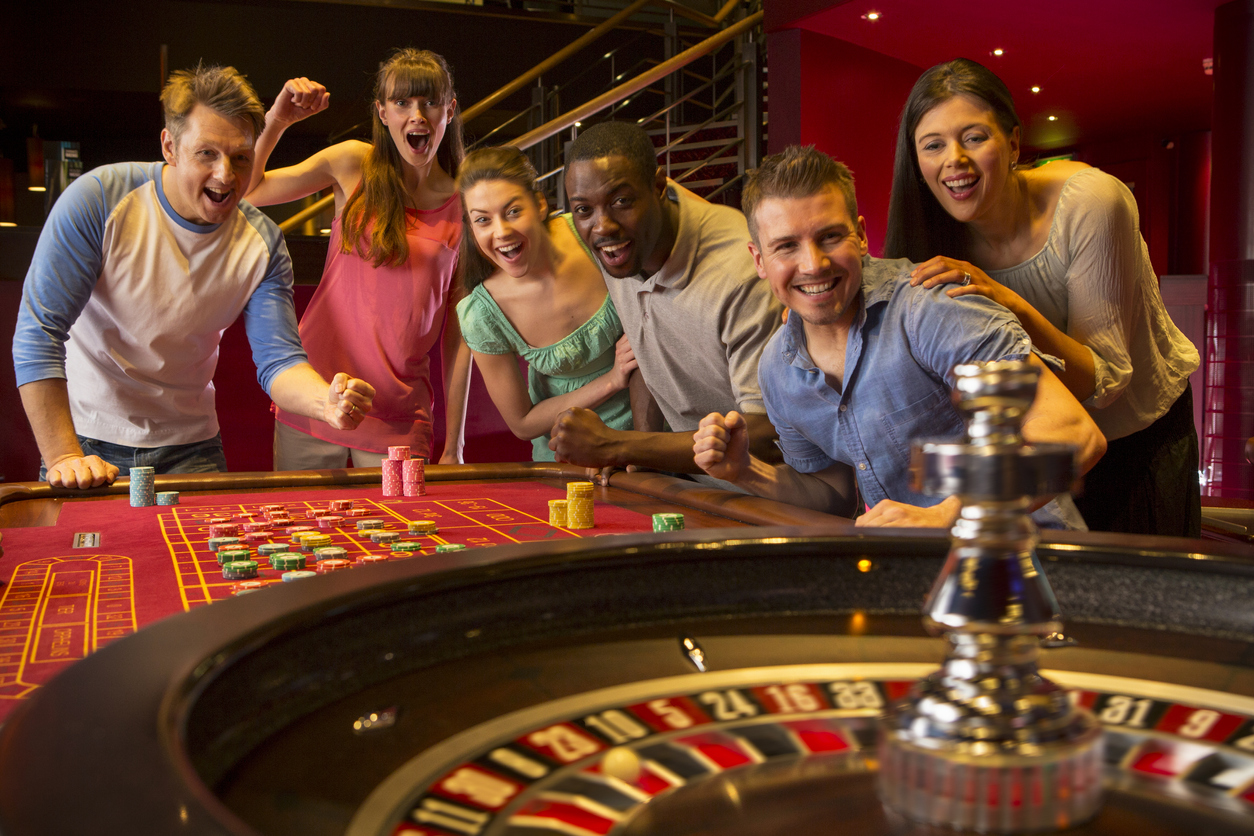
Gambling also has warm mixer and perceptiveness components that contribute to its persistence. In many societies, gaming is profoundly constituted in the culture, whether it s through orthodox card games, sports betting, or big-scale casino operations. Gambling can be a social natural process, and people often engage in it with friends or syndicate, adding a communal prospect to the undergo. The support of play conduct through social settings can normalise the activity, leading individuals to engage in it more oftentimes.
Moreover, the proliferation of online play and publicizing has made it easier than ever to risk, often blurring the lines between entertainment and dependence. The rise of mixer media influencers, celebrities, and brands promoting gaming products contributes to its standardisation, further tantalising individuals to bet despite the risks mired.
5. The Hope of a Big Win
Perhaps the most fundamental conclude people adventure is the deep-seated hope of striking a big win that changes their life. Whether it s the jackpot on a slot machine, the perfect salamander hand, or a huge payout from a sports bet, the potentiality for a life-changing win creates an resistless allure. The idea of turn a moderate bet into an big sum of money triggers fantasies of business enterprise exemption and a better life. This right emotional pull can preponderate legitimate thought process, as the possibility of a big win seems worth the risk, despite the low probability.
Conclusion
The paradox of gambling lies in the tenseness between rational noesis and feeling impulses. Despite the overwhelming odds well-stacked against them, gamblers continue to bet due to psychological factors such as the illusion of control, psychological feature biases, the vibrate of risk, sociable influences, and the hope for a big win. These create a psychological web that makes it disobedient for many to fend the temptation to chance. Until these deep-rooted factors are silent and self-addressed, gaming will likely preserve to be a incomprehensible yet patient part of man deportment.